

Why a trauma-informed approach is essential to learning
Many young people face barriers to learning that go far beyond academics. Anxiety, disrupted education, and adverse experiences can all impact a student’s ability to engage, trust, and feel safe in learning environments. A trauma-informed approach recognises this reality and responds with understanding, flexibility, and compassion.
By embracing an adaptable, trauma-informed approach, we empower students facing barriers to learning to re-engage, thrive, and achieve success, while complementing schools’ inclusion strategies. Rather than asking young people to fit into rigid systems, we meet them where they are, understanding that behaviour is often a form of communication and that emotional safety is the foundation for learning.
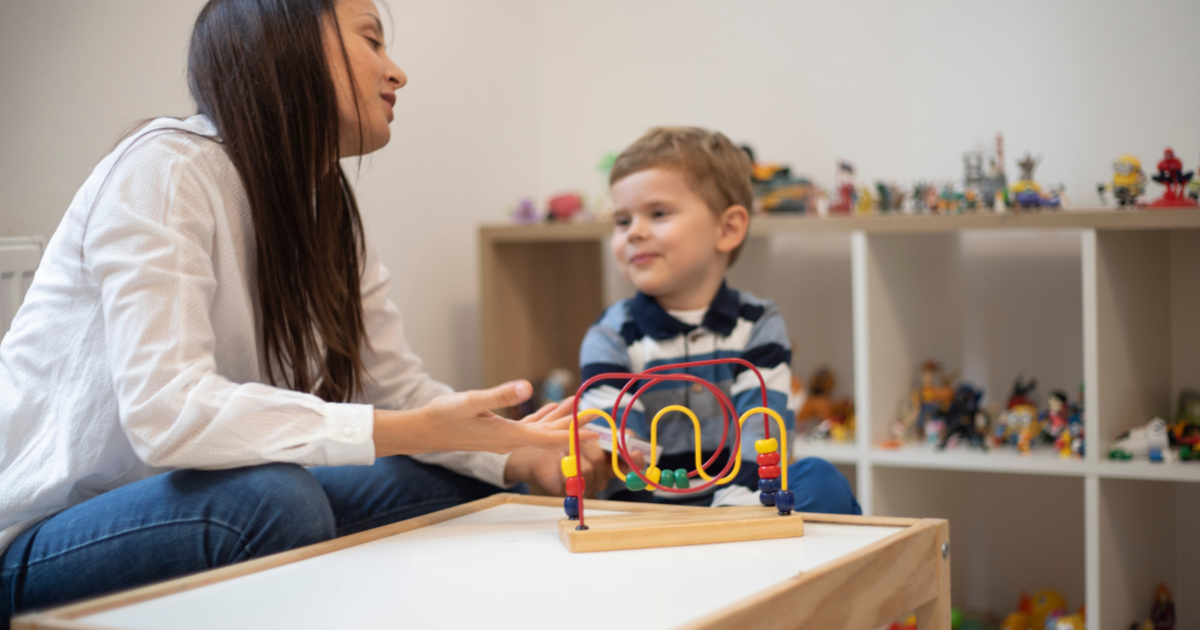
In practice, trauma-informed tutoring prioritises relationships first. Tutors focus on building trust, offering consistency, and creating calm, predictable sessions where young people feel heard and respected. When young people feel safe, they are more willing to engage, take risks, and ask for help. Confidence grows, and learning becomes possible again.
One parent’s feedback captures this impact perfectly:
“Holly’s warmth and understanding quickly put Ivy at ease after her anxious start. Ivy now engages in sessions, is gaining confidence, and trusts Holly enough to unmask her needs.”
- Parent/Carer
This is the power of a trauma-informed approach. By leading with empathy and understanding, we help young people feel secure enough to be themselves, express their needs, and reconnect with learning. In doing so, we don’t just support academic progress, we support long-term wellbeing, resilience and inclusion.
Find out more about how we support our young people